
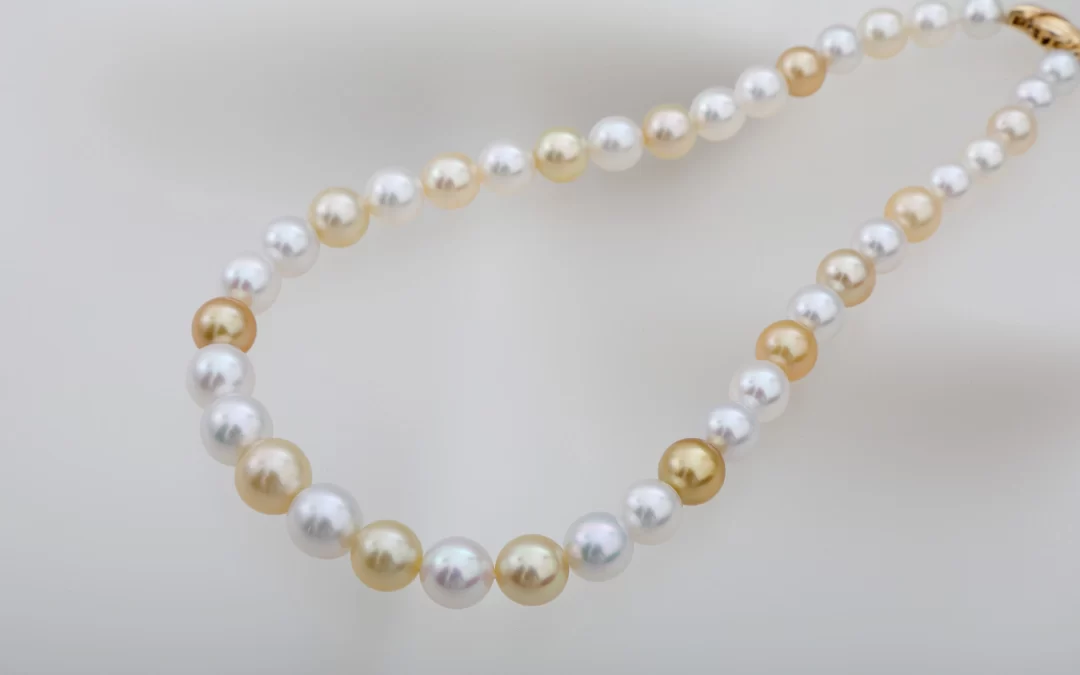
South Sea pearls are widely regarded as the most luxurious cultured pearls in the world. Known for their exceptional size, thick nacre, and radiant luster, they are treasured by jewelers and collectors alike. Whether white, golden, or black “Tahitian,” each variety holds its own allure. Understanding how to choose South Sea pearl jewellery by learning their origins, cultivation, colors, and quality indicators will help you find the perfect piece that reflects both elegance and timeless beauty.
It’s important to note that black South Sea pearls are sometimes called Tahitian pearls because many of these pearls are exported through Tahiti, the largest country in French Polynesia.
Understanding their origins, cultivation, colors, and quality indicators is essential when selecting the perfect South Sea pearl jewellery. This guide provides expert insights to help you choose with confidence.
The Distinctive Colors of South Sea Pearls
White South Sea Pearls
Cultivated primarily in the silver-lipped oyster (Pinctada maxima), found in Australia and Indonesia, white South Sea pearls are admired for their silky, luminous surface and subtle overtones of rose, cream, or pale green.
Why choose white South Sea pearls?
- Perfect for classic necklaces, earrings, and brooches
- Symbolize elegance, purity, and timeless style
- Complement both formal and casual attire
Explore our collections:
Golden South Sea Pearls
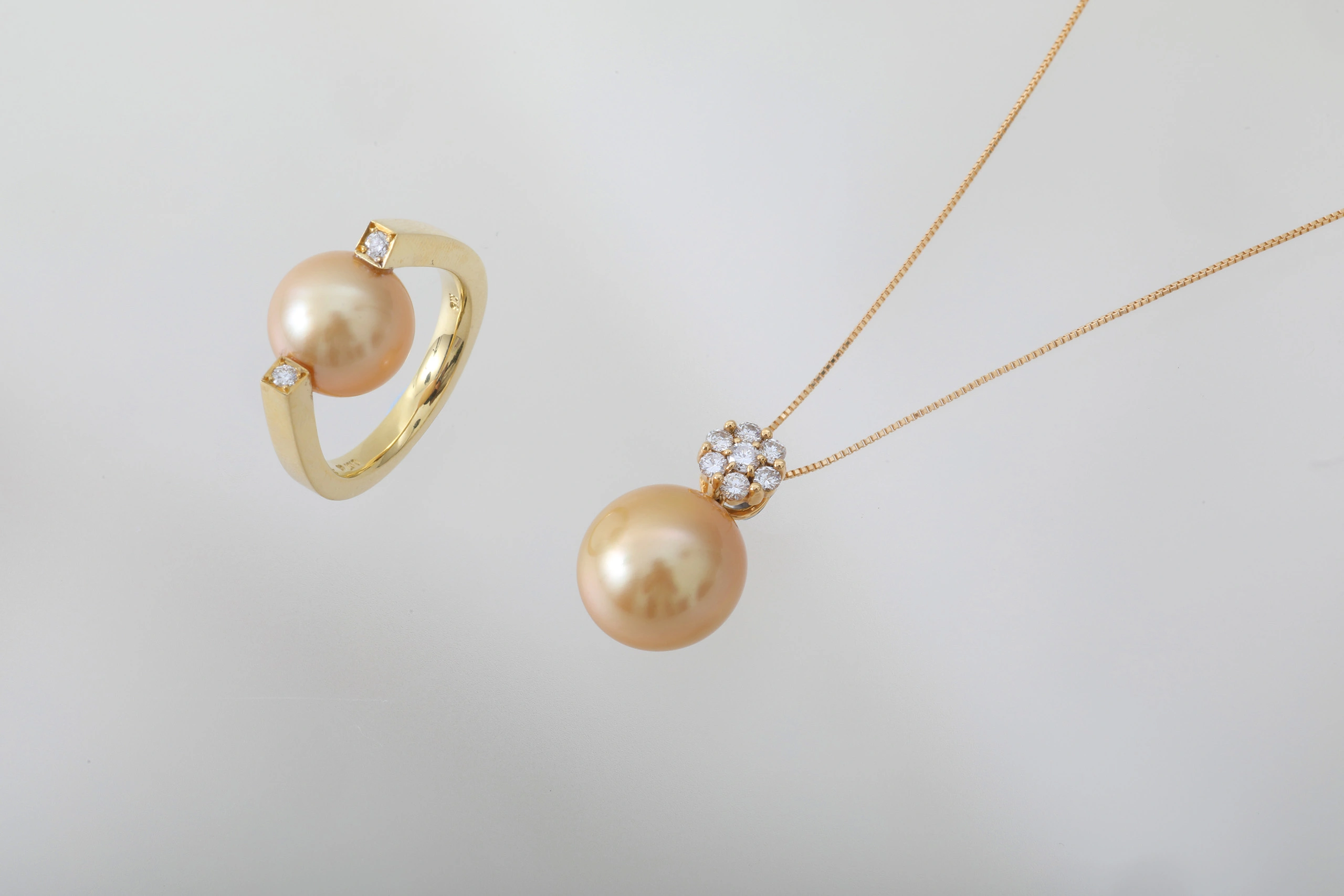
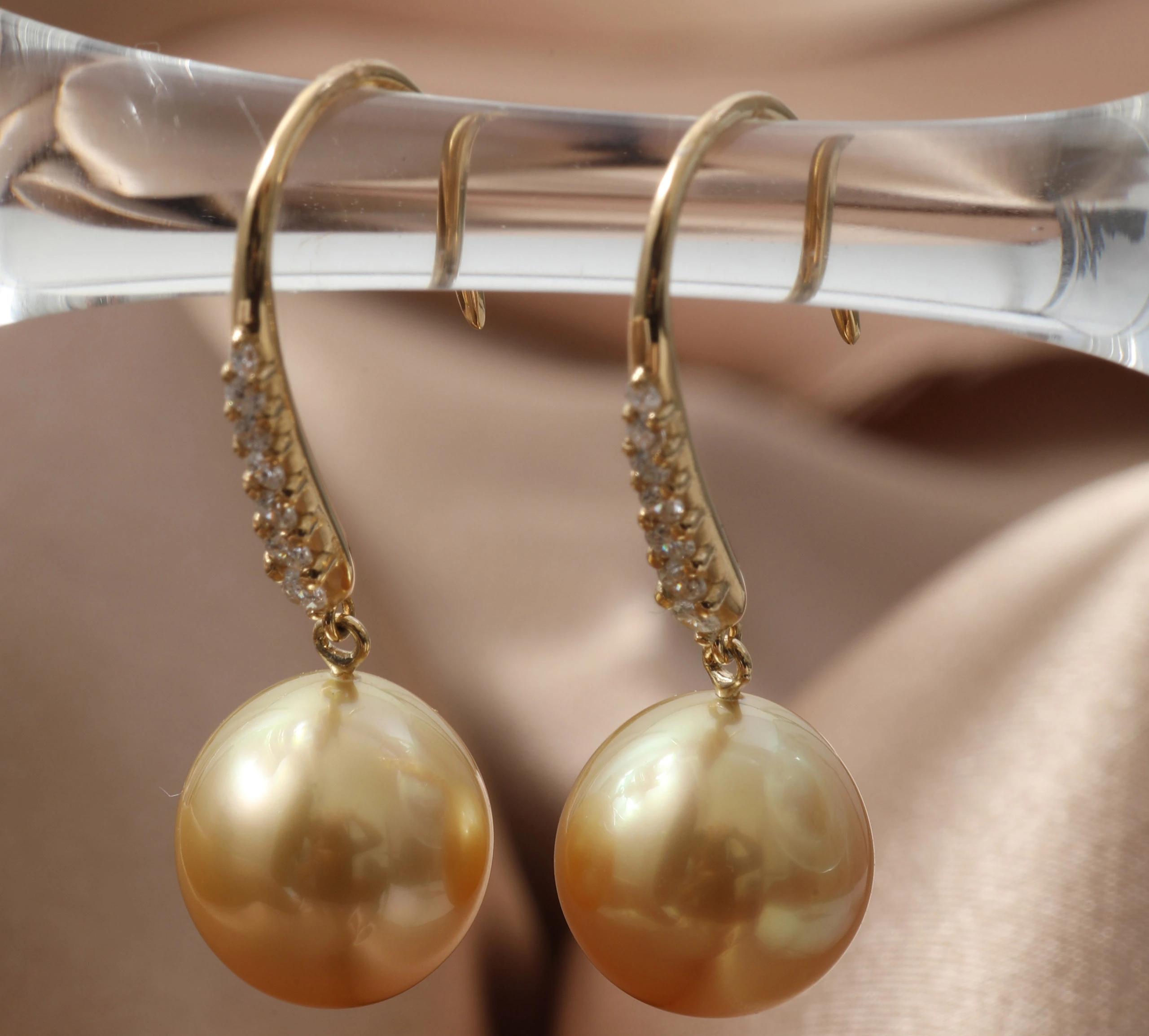
Golden South Sea pearls originate from the gold-lipped variety of Pinctada maxima, cultivated mainly in the Philippines and Indonesia, Myammar. Their hues range from soft champagne to deep, rich gold, offering a luxurious and warm appearance.
These pearls are extremely rare, and the deeper the golden tone, the higher their value. A golden South Sea pearl necklace or ring can serve as a signature piece, radiating sophistication and exclusivity.
Learn more in our article:
- Gold South Sea Pearls: The Rarest K18 Treasures
Explore our collection:
Black South Sea Pearls, Known as “Tahitian Pearls”
Black South Sea pearls are produced by the black-lipped oyster (Pinctada margaritifera), found across the Pacific islands. While often called Tahitian pearls, this term refers primarily to the trade route and Tahiti’s role in marketing these pearls, rather than the origin alone.
True black pearls are extremely rare. Most display peacock green, aubergine, silver, or bluish overtones, giving each pearl a distinctive and dramatic appearance. Black pearls are perfect for statement jewellery, from necklaces to pendants and bespoke designs.
Discover more in our articles:
Explore our collections:
 How South Sea Pearls Are Cultivated
South Sea pearls are cultured, formed when a nucleus is carefully implanted into an oyster. The oyster secretes layers of nacre over several years, giving the pearl its luster and durability.
Expert insight: The thickness of nacre is critical. South Sea pearls have some of the thickest nacre in the world, giving them depth, a natural glow, and longevity unmatched by other pearls.
Environmental factors such as water temperature, salinity, currents, and plankton availability influence the pearl’s color, overtone, and surface quality. No two pearls are ever identical, even from the same farm.
Evaluating South Sea Pearl Jewellery
When choosing South Sea pearl jewellery, experts consider the following:
- Luster: Sharpness and brightness of reflection. High-quality pearls have a mirror-like luster.
- Nacre Thickness: Thicker nacre results in deeper glow and durability.
- Surface Quality: Fewer blemishes indicate higher value.
- Shape: Round pearls are most prized, though drop-shaped or baroque pearls are also beautiful in creative designs.
- Color and Overtone: Harmony and natural beauty are more important than color alone.
See these quality factors in action:
Frequently Asked Questions on How to Choose South Sea Pearl Jewellery
Q1: What makes South Sea pearls more valuable than other types of pearls?
South Sea pearls are larger, have thicker nacre, and offer a natural luster and subtle overtones not found in freshwater or Akoya pearls. Their rarity and careful cultivation contribute to their high value.
Q2: Are black South Sea pearls actually from Tahiti?
Not always. While Tahiti is a key hub for export and marketing, black-lipped oysters are found in multiple Pacific regions. The term Tahitian pearl mainly refers to branding and export.
Q3: How do I care for my South Sea pearls?
Avoid chemicals, perfume, or hairspray. Clean gently with a soft cloth and store separately from other jewellery.
Q4: Can South Sea pearls be combined with diamonds or gold?
Absolutely. Their natural luster complements diamonds and gold beautifully, creating timeless luxury pieces like black South Sea pearl diamond pendants.
Q5: How do I select the perfect South Sea pearl necklace?
Focus on luster, nacre thickness, and surface quality first, then consider color and size to match your style or jewellery collection.
Why South Sea Pearls Remain a Timeless Luxury
South Sea pearls are more than jewellery, they are living gems with unique stories. Each pearl reflects its environment, the meticulous care of the oyster, and decades of tradition. Whether white, golden, or black, these pearls offer versatility, elegance, and sophistication unmatched by other cultured pearls.
For inspiration, explore:
Expert Tip: Combining white, golden, and black pearls in a single piece can create a striking, modern design while preserving timeless luxury.
South Sea pearls are the ultimate symbol of elegance, rarity, and natural beauty. By understanding their colors, cultivation, and quality factors, you can confidently select pearls that will be cherished for generations.