Luxury has always been associated with rarity, craftsmanship and beauty. But what luxury means to the modern customer is changing.
For years, luxury jewellery was often associated with recognisable names, prominent logos, elaborate designs and pieces reserved for important occasions. Today, the conversation is becoming more personal.
People are asking different questions.
Where was this piece made? Who made it? What materials were used? Will I still love it years from now? Does it reflect my personality? And perhaps most importantly, does it have a story worth keeping?
This shift is changing the way people think about timeless jewellery.
Rather than simply following what is fashionable for one season, more jewellery buyers are looking for pieces with lasting beauty, craftsmanship and meaning. Current jewellery conversations in 2026 increasingly emphasise longevity, individuality and personal connection rather than simply following trends.
For those of us who work closely with pearls, this is not a completely new idea.
A fine pearl has never needed to follow a trend to be beautiful.
Its appeal comes from something much deeper.
Luxury Is No Longer Just About Being Seen
Traditional ideas of luxury often focused on visibility.
A recognisable logo could communicate status immediately. A large stone could make a statement from across a room. A limited-edition piece could signal exclusivity.
But modern luxury is becoming more nuanced.
There is growing appreciation for things that may not immediately announce their value: exceptional materials, skilled craftsmanship, thoughtful design and a sense of authenticity.
This does not mean people no longer appreciate bold jewellery. In fact, 2026 has seen plenty of expressive and statement-making jewellery.
The difference is that personal expression is becoming more important than simply following a prescribed definition of luxury.
A piece does not have to be understated to be timeless.
It simply needs to have qualities that remain meaningful beyond a particular trend.
What Makes Jewellery Truly Timeless?
Timeless jewellery is not necessarily jewellery that looks exactly the same for 50 years.
That is an important distinction.
A timeless piece can have a contemporary design. It can be fashionable. It can even make a statement.
What gives it longevity is the combination of quality, proportion, craftsmanship and character.
A well-made piece should be able to move with its wearer.
It might be worn with a formal dress today, a tailored suit tomorrow and a simple blouse years later.
Its versatility allows the jewellery to become part of a person’s identity rather than becoming obsolete when a trend changes.
This is one reason classic pearl jewellery has remained relevant across generations.
The pearl itself does not need to change.
The way we wear it can.
Why Pearls Continue to Evolve
Pearls are sometimes placed into a narrow category: traditional, formal or reserved for special occasions.
But that view no longer reflects how pearls are being interpreted in contemporary jewellery.
In 2026, pearls continue to appear in designs that are modern, sculptural, unexpected and highly personal. Fashion coverage has highlighted pearls being worn in ways that move well beyond the traditional strand, while jewellery designers continue experimenting with proportion, setting and styling.
This is an important development because it shows that the pearl itself was never the limitation.
The design was.
A pearl can be elegant without being conservative.
It can be sophisticated without being formal.
And it can be contemporary without losing the qualities that have made pearls desirable for centuries.
The Difference Between a Trend and a Lasting Piece
Trends are useful.
They introduce us to new ways of dressing and encourage us to experiment with our personal style.
But trends have a natural lifespan.
What looks essential this year may feel dated a few years later.
This is especially important when purchasing fine jewellery.
A piece of jewellery is not the same as buying a seasonal accessory. It may accompany you through important occasions, become part of your everyday wardrobe or eventually be passed to another person.
That is why a specialist’s advice should go beyond telling you what is currently fashionable.
A good question is not simply:
“Is this trending?”
It is:
“Will this still feel right to me when the trend has disappeared?”
That question changes the entire buying experience.
Quality Is More Than Size
When people begin looking for pearls, one of the first things they often notice is size.
A larger pearl naturally attracts attention.
But size alone does not determine beauty or quality.
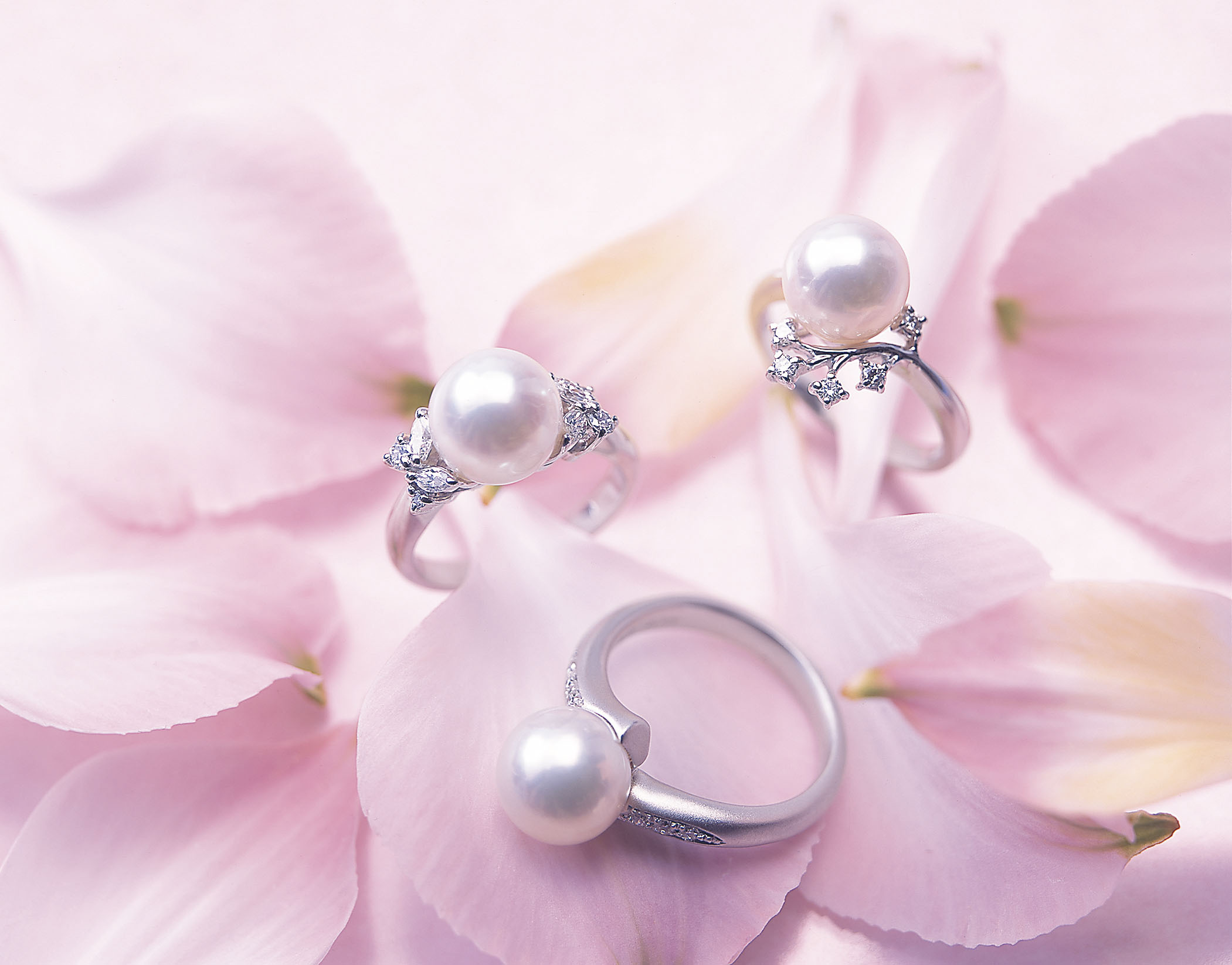
When assessing pearls, specialists consider several characteristics, including lustre, surface quality, shape, colour, size and nacre quality, depending on the type of pearl being evaluated.
Lustre deserves particular attention.
A pearl with beautiful lustre has a depth and sharpness of reflection that gives it life. It is not simply about how brightly a pearl shines under a light. It is about the quality of that reflection and the sense of depth created by its nacre.
This is one reason photographs can only tell part of the story.
Two pearls can look similar on a screen but reveal significant differences when viewed closely and under changing light.
For a pearl specialist, these details are not minor.
They are part of what makes one pearl captivating and another simply attractive.
The Beauty of Imperfection
There is another interesting change taking place in jewellery.
Consumers are becoming more comfortable with individuality.
Not everything needs to be perfectly uniform.
This is particularly relevant to pearls because pearls are natural gems.
Even cultured pearls, which are carefully cultivated, develop their own characteristics.
Slight differences in shape, surface and colour are part of their identity.
This is one reason pearls can feel so personal.
A perfectly matched strand has its own elegance, but a pearl with an unusual characteristic can also have extraordinary personality.
The goal should not always be to find the pearl that looks most perfect in an abstract sense.
It should be to find the pearl whose character speaks to you.
Why Craftsmanship Matters More Than Ever
The finished jewellery may appear simple.
A pearl pendant may consist of one beautiful pearl and a delicate setting.
A pair of earrings may look effortless.
A necklace may appear perfectly balanced.
But simplicity should never be confused with simplicity of craftsmanship.
The more refined the final result, the more important selection, proportion, finishing and attention to detail can become.
This is particularly true with pearl jewellery.
When pearls are combined in a necklace or pair of earrings, matching becomes an important part of the craft. The pearls need to work together in terms of size, colour, shape and visual character.
The finished piece should feel harmonious rather than assembled.
This is where experience matters.
A pearl specialist does not simply look at a pearl and ask whether it is attractive.
The specialist considers how that pearl behaves as part of a finished piece.
The Story Behind the Jewellery Matters
Luxury is increasingly about more than the object itself.
It is also about provenance, craftsmanship and the people behind it.
A piece of jewellery becomes more meaningful when you understand where its materials came from, how they were selected and who contributed to its creation.
This is especially powerful with pearls because their journey begins in nature.
There is a living oyster.
There is the marine environment.
There is cultivation.
There is time.
There is careful harvesting and selection.
And finally, there is the craftsmanship that transforms a natural pearl into something that can be worn and treasured.
When you understand that journey, the pearl becomes more than an accessory.
It becomes a piece of nature and craftsmanship that you can carry with you.
Why Pearls Work So Well With Modern Personal Style
One of the greatest strengths of pearls is versatility.
A classic strand can complement formal clothing, but a single pearl pendant can work beautifully with everyday tailoring.
Pearl earrings can add refinement to a simple outfit without overwhelming it.
A contemporary pearl design can introduce softness to an otherwise structured look.
And pearls can be layered, mixed with other jewellery or styled in unexpected ways.
This adaptability is one reason pearls continue to have a place in modern wardrobes.
The pearl does not dictate the entire look.
It responds to it.
Buying Jewellery With the Future in Mind
When purchasing fine jewellery, it is worth thinking beyond the moment of purchase.
Ask yourself:
Will I enjoy wearing this regularly?
Does the design reflect my personality?
Is the quality appropriate for how I intend to wear it?
Can I imagine wearing it five or ten years from now?
Would I be happy to pass it to someone I love?
These questions are particularly useful when choosing pearls.
The most meaningful jewellery does not necessarily have to be the most expensive piece in the room.
It is often the piece that continues to make you feel something every time you wear it.
Timeless Does Not Mean Old-Fashioned
Perhaps the biggest misconception about timeless jewellery is that it must look traditional.
It does not.
Timelessness is not a visual style.
It is a quality.
A modern pearl design can become timeless if it combines strong design with beautiful materials and craftsmanship.
Likewise, a traditional-looking piece may not feel timeless if it is poorly made or does not suit the person wearing it.
This distinction is important because it gives today’s jewellery buyer more freedom.
You do not have to choose between classic and contemporary.
You can choose something that feels right for you now while still having the quality and character to remain relevant later.
The Future of Luxury Is Personal
Perhaps this is where the definition of luxury is heading.
Not toward one particular aesthetic, but toward personal meaning.
The modern luxury customer may still appreciate rarity and exceptional materials. But they also want to know what makes a piece special.
They want craftsmanship.
They want authenticity.
They want individuality.
And increasingly, they want something they can live with rather than simply display.
That is where pearls have an enduring advantage.
Every pearl has its own character.
Every piece can be worn differently.
And every pearl can become connected to the experiences of the person who wears it.
Choosing a Pearl Is About More Than Following a Trend
A trend can tell you what is popular today.
A pearl specialist can help you understand why a particular pearl is beautiful.
That distinction matters.
When you learn to look at lustre, surface, shape, colour, size and overall harmony, your choices become more informed.
You begin to recognise that pearl quality is not determined by one characteristic alone.
Most importantly, you develop your own eye.
And once you understand what you are looking at, buying jewellery becomes less about being told what to choose and more about choosing with confidence.
A New Definition of Luxury
Luxury does not have to announce itself.
Sometimes it is found in the subtle reflection of a pearl.
In the craftsmanship behind a setting.
In the knowledge passed from one generation to another.
In a piece that still feels beautiful years after the trend that inspired it has disappeared.
And sometimes, luxury is simply owning something that means enough to you that you want to keep it forever.
That is why timeless jewellery continues to matter.
Not because it refuses to change, but because its value is deeper than fashion.
A beautiful piece follows a trend. A meaningful piece becomes part of your story.
And perhaps that is the new meaning of luxury.
Discover Pearls Beyond the Surface
The best way to appreciate a pearl is to learn how to see one.
Look beyond size. Look beyond price. Look beyond the first impression.
Observe its lustre. Study its surface. Compare its character. Understand the craftsmanship behind it.
Because when you understand what makes a pearl beautiful, choosing pearl jewellery becomes a very different experience.
Pearls should be understood, not just purchased.