
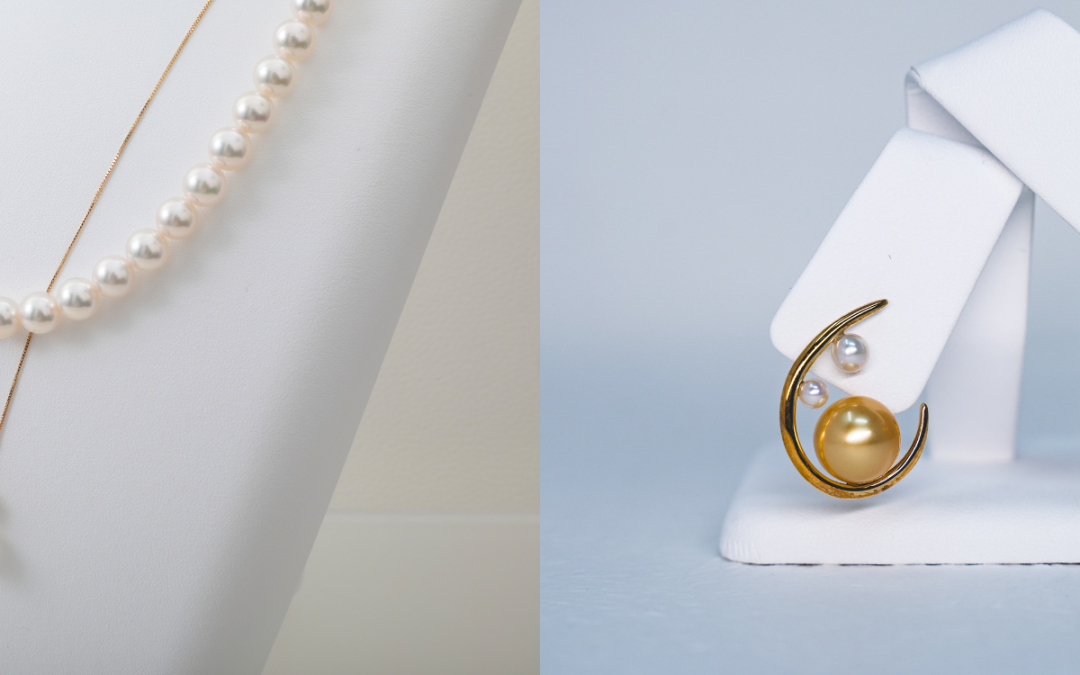
As connoisseurs of fine pearls, we understand that the Difference between Akoya and South Sea pearls goes far beyond size or color. Each type of pearl carries its own heritage, cultivation method, and unique aesthetic qualities. Knowing these distinctions ensures that collectors and jewelry enthusiasts make informed, long-lasting choices.
In this guide, we share professional insights into these two renowned pearls, drawing on decades of experience and curated collections from Pearl FALCO, Japan’s premier Akoya and South Sea pearl expert.
The Timeless Elegance of Akoya Pearls
Akoya pearls are the benchmark of classic elegance. Cultivated in the Ise Shima region of Japan, these pearls are celebrated for their mirror-like luster, precision roundness, and reflective surface, qualities that define authentic Akoya pearls.
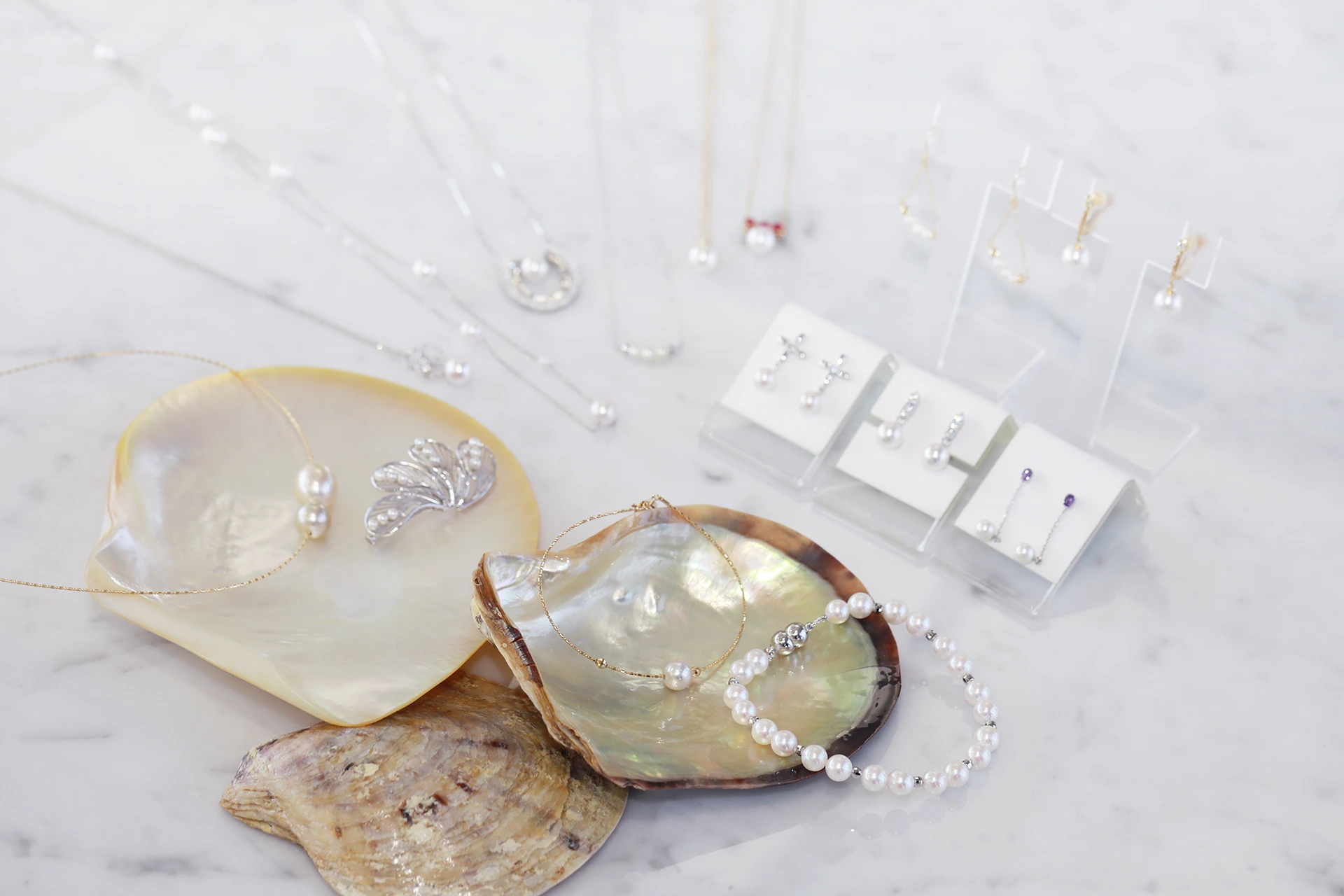
Expert Insights: Why Akoya Pearls Are Exceptional
- Size Matters: Standard Akoya pearls range from 3–10 mm, with rarities above 9 mm commanding significant collector interest.
- Luster & Surface: Akoya pearls are prized for their sharp, mirror-like luster, which reflects light with remarkable clarity.
- Cultivation: Akoya oysters are carefully tended for 10–18 months after implantation in temperate Japanese waters, ensuring thick nacre and consistent roundness.
- Color Palette: Classic white, cream, gray and subtle pink, green or blue overtones and interference color are signature hues, perfect for both traditional and modern designs.
Recommended Pearl FALCO Collections:
- Akoya Pearls: Symbol of Purity, Hope & Renewal
- Why Akoya Pearls Are a Lifetime Investment
- High-Quality Akoya Pearl Necklaces in Singapore
- Japanese Akoya Pearl Choker Necklace
From an expert perspective, Akoya pearls are ideal for collectors who value precise craftsmanship, radiance, and heritage.
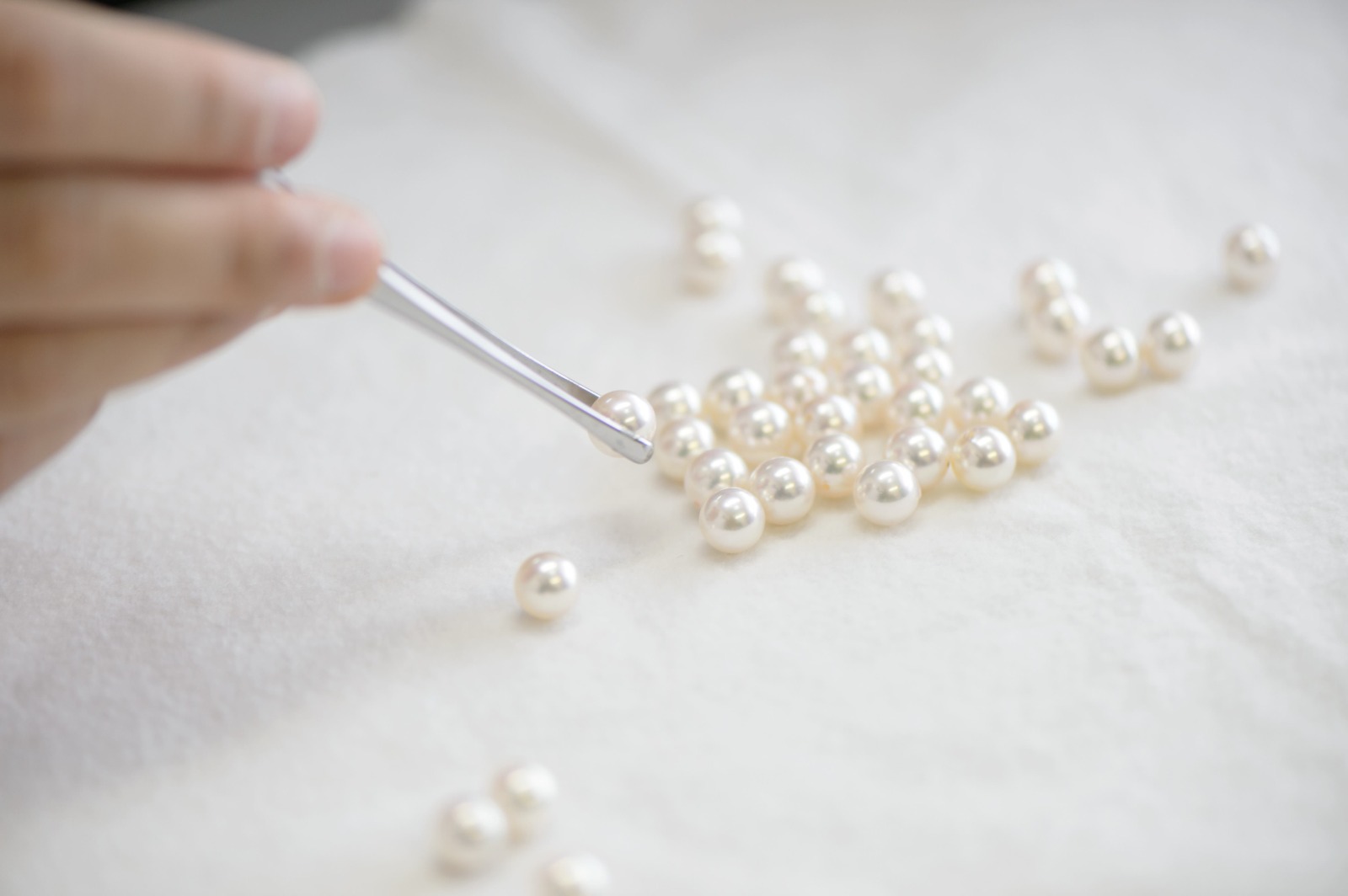
Why Akoya Pearls Are a Lifetime Investment – The Critical Situation of Akoya Pearl Harvest Today
While Akoya pearls remain the icon of classic Japanese elegance, few people realize how fragile their future has become.
Over the past two decades, Akoya pearl production in Japan has declined dramatically. Rising sea temperatures, changing ocean conditions, and increasing disease among mother oysters have reduced survival rates and harvest yields. In recent years, more than 80% of Akoya mother oysters have died before harvest, and total Akoya pearl production has fallen by nearly 90% compared to its peak era.
Unlike freshwater pearls, Akoya pearls cannot be mass-produced in controlled inland environments. They depend entirely on clean coastal waters, stable seasonal temperatures, and meticulous daily care by experienced farmers. When nature suffers, Akoya pearls suffer too.
This means that every high-quality Akoya pearl harvested today is becoming increasingly rare. Behind each strand lies over a year of nurturing, constant cleaning of oysters, careful monitoring of water conditions, and generations of farming knowledge passed down in Ise Shima — the birthplace of cultured pearls.
For collectors and connoisseurs, understanding this reality transforms how we see Akoya pearls. They are no longer just beautiful jewels. They are living treasures born from nature, human devotion, and a disappearing tradition.
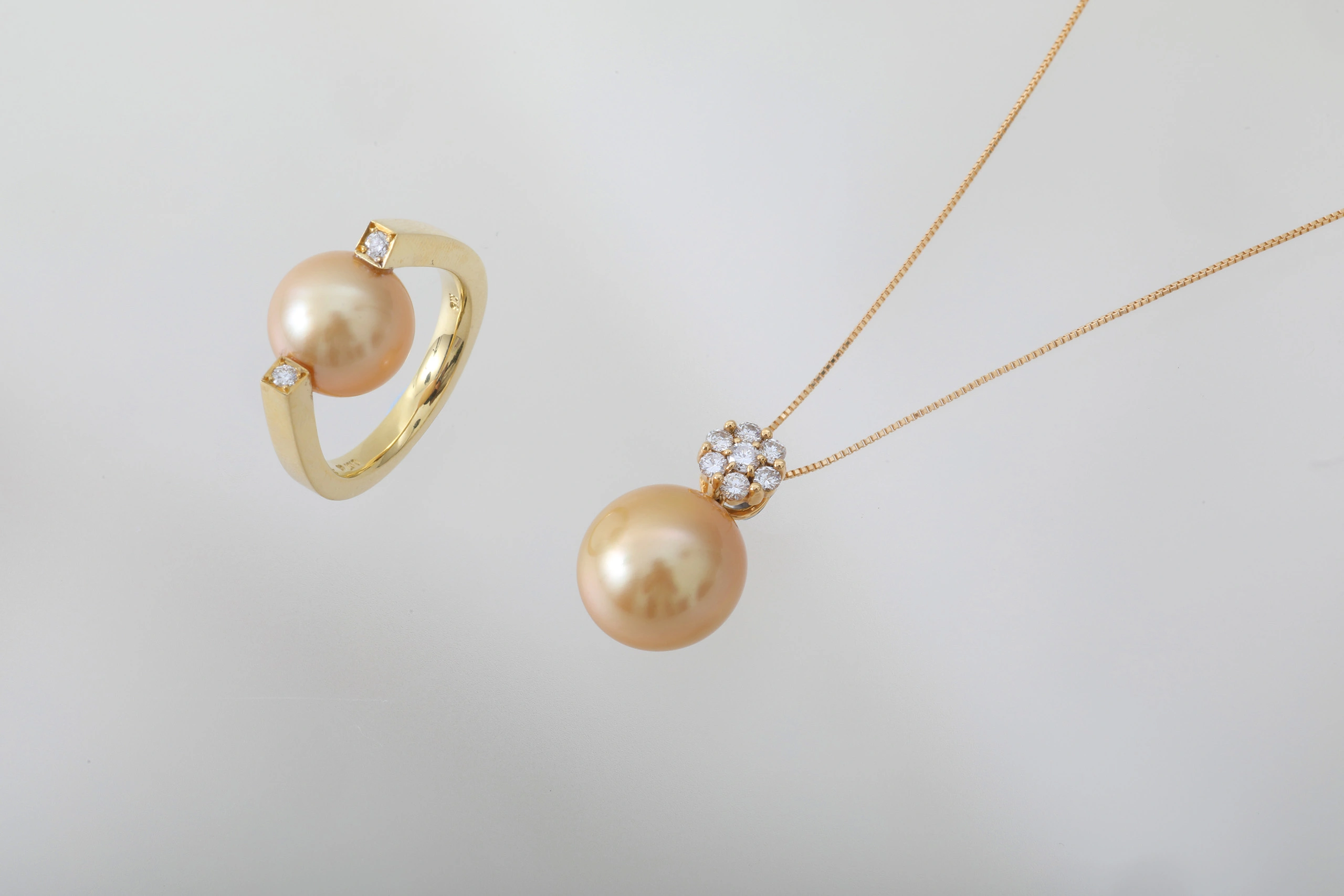
South Sea Pearls: The Epitome of Luxury
South Sea pearls represent the highest tier of cultured pearls. Cultivated in warm waters of Australia, Indonesia, and the Philippines, these pearls are renowned for their large size, luxurious nacre, and soft, satiny luster. South Sea pearls are not born in the open ocean — but in beautiful, calm bays where large oysters can grow slowly and peacefully. Because these oysters need space, time, and strong farm structures, the limited number of farms in the world can produce them. That’s why South Sea pearls are considered the highest tier of cultured pearls.
Professional Observations on South Sea Pearls
- Impressive Scale: Sizes range from 9 mm to over 20 mm, making South Sea pearls ideal for statement necklaces and bespoke pieces.
- Lustre & Nacre: Thick nacre layers produce a deep, satiny glow that is highly valued by connoisseurs.
- Color Variations: Natural shades of white, silver, and gold enhance their rarity and appeal.
- Cultivation Period: 1–2 years of expert cultivation after implantation ensures uniformity, durability, and refined aesthetic.
Expertly Curated Pearl FALCO Collections:
- How to Choose South Sea Pearl Jewellery
- Elegance of South Sea Pearls Jewellery
- Black South Sea Pearls and Bespoke Jewelry
- What Makes South Sea Pearls So Special
South Sea pearls are perfect for clients seeking high-impact luxury, exquisite craftsmanship, and investment-quality jewelry.
Detailed Comparison: Akoya vs South Sea Pearls
From a pearl expert’s point of view, the differences between Akoya and South Sea pearls are critical for selection:
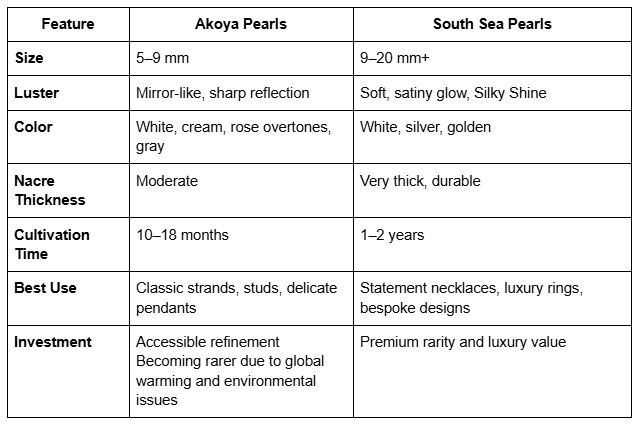
Choosing the Right Pearl: Expert Recommendations
- Everyday Elegance: Akoya pearls for versatility and understated luxury.
- Luxury Statements: South Sea pearls for size, presence, and exclusivity.
- Investment: Akoya pearls retain classic value; South Sea pearls are rarer, making them high-value collectibles.
Expert Tip: Prioritize nacre thickness, luster, and roundness for both beauty and longevity.
Caring for Pearls Like a Professional
To preserve their brilliance and value:
- Avoid contact with perfumes, hair products, and chemicals.
- Wipe each pearl gently with a soft cloth after wearing.
- Store pearls separately in lined boxes or soft pouches.
Professional care ensures that pearls retain their luster for generations.
Pearl FALCO Expert Insight
The Difference between Akoya and South Sea pearls reflects heritage, craftsmanship, and luxury expression.
- Choose Akoya pearls for timeless elegance, high luster, and tradition.
- Choose South Sea pearls for statement luxury, size, and investment-grade rarity.
For authentic, expert-curated collections, explore Pearl FALCO, the authority in Japanese Akoya and South Sea pearls:
Visit Pearl FALCO Collections