
About Pearls
“The One Living Gemstone – Pearls”
Born in nature, cultivated with human love, pearls have captivated people for centuries. This guide is all about pearls—how they are formed, their types, and how to identify genuine pearls.
Types of Pearls From Around the World
Learn about pearls and their types.
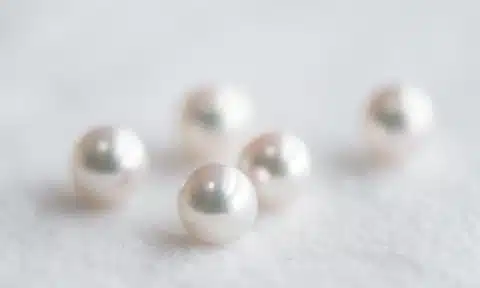
Akoya Pearl
Renowned for their brilliant luster and rich colors, Akoya pearls are the epitome of elegance and timeless beauty. Cultivated primarily in the Sea of Japan, Akoya pearls typically range from 2 to 10 mm in size, with the most common sizes being 6 to 8 mm.
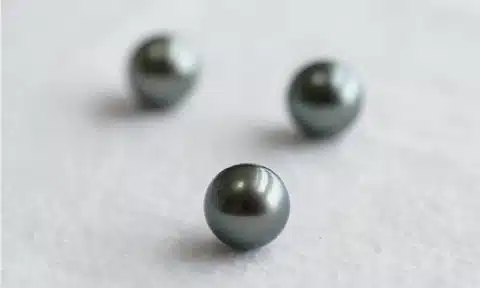
Black Pearl
Cultivated from black-lipped oysters, Black Pearls are primarily found in French Polynesia and Okinawa. Their size ranges from 8 to 17 mm, with the most common sizes being 9 to 11 mm. Known for their mesmerizing dark hues, these pearls display a stunning array of iridescent tones, including soft gray, green, brown, and the coveted peacock shade.
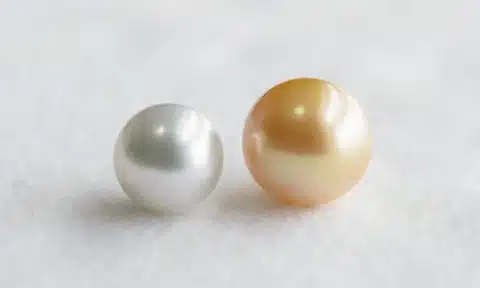
South Sea Pearl
The world’s rarest pearls, South Sea pearls are known for their luminous inner glow. Cultivated in Australia, the Philippines, and Indonesia, they range in size from 8 to 20 mm, with an average of 12 mm. These pearls are treasured for their subtle hues of white, gold, and silver.
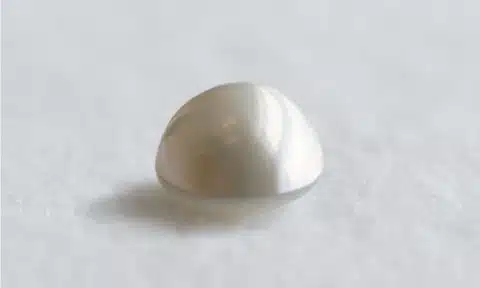
Mabe Pearl
Mabe, or “blister pearls,” are half-pearls that grow against the oyster’s inner shell. Cultivated in the Ryukyu Islands of Japan and the Pacific South Seas, these pearls range from 12 to 20 mm. Available in shades like silver gray, white, and rainbow tones with pink and bluish overtones, Mabe pearls can be shaped into rounds, ovals, hearts, and more.
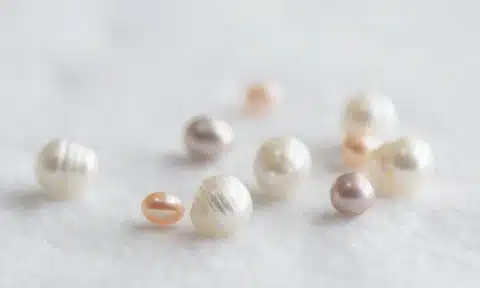
Freshwater Pearl
Freshwater pearls are cultivated in lakes and rivers, notably in Japan (Lake Biwa and Kasumigaura) and China’s southeastern regions. Sizes range from 1–2 mm (seed pearls) to over 12 mm. These pearls are cherished for their soft luster and vibrant hues, including white, pink, orange, and pastel colors.
Keshi Pearl
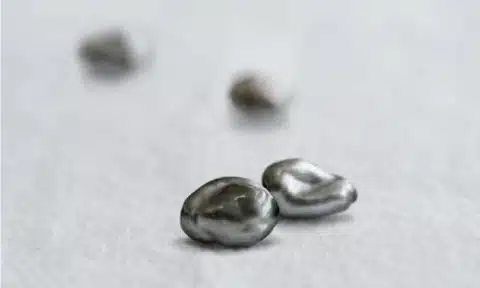
Keshi pearls, meaning “poppy seed pearls,” are unique non-nucleated pearls formed naturally. With no nucleus to guide their shape, they exhibit diverse forms and come in an impressive array of colors. Known for their exceptionally high luster, Keshi pearls are small yet captivating.
No two real pearls are exactly alike.
A pearl’s translucent luster is formed by many layers of fine nacre.
This intrinsic brightness, translucence and subtle elegance are some of the qualities
that make naturally formed pearls so unique.
We wish to share our belief in the true significance and importance of pearls and their incorporation into beautiful designs, from Ise Shima to the world. Please feel free to contact us for any inquiry about pearls.
How to Determine the Value of a Pearls
| Factor | Description |
|---|---|
| Luster | The brightness of the pearl’s surface and its ability to reflect light. Excellent luster is the most important factor in value. |
| Surface | Look for smooth, clean skin. Fewer blemishes mean higher value. |
| Shape | Round pearls are the rarest and most valuable. Other shapes (near-round, oval, drop, baroque) are valued for their uniqueness. |
| Size | Larger pearls are rarer and more valuable. Value increases with size, provided other qualities are also high. |
| Color | Natural body color and overtone matter. Rich, even tones are most desirable. |
| Matching | For strands or sets, well-matched pearls in luster, size, shape, and color are more valuable. |
How to Determine Genuine vs. Imitation Pearls
Knowing about pearls means understanding how to differentiate between genuine and imitation ones. Here’s how:
| Factor | Genuine Pearls | Imitation Pearls |
|---|---|---|
| Surface | May have slight imperfections or natural texture. | Often too perfect or overly glossy. |
| Feel | Cool and smooth with a slight grain. | Warm or plasticky feeling. |
| Weight | Heavier for their size. | Lightweight. |
| Teeth Test | Slightly gritty when gently rubbed against teeth. | Feels smooth like glass or plastic. |
| Drill Hole | Often not perfectly round; may show nacre. | Perfectly smooth; may show paint. |
| Magnification | Shows natural layers of nacre. | Surface appears painted or coated. |
Essential Tips for Caring for Your Pearls
Proper care is crucial to preserving the beauty and longevity of your pearls. Whether you’re wearing a cherished necklace or keeping your pearls stored for future use, following a few simple guidelines can help maintain their lustrous shine. From cleaning techniques to storage tips, discover how to keep your pearls looking their best for years to come. Learn more about the essential steps in pearl care and ensure your precious pieces remain in top condition.